
If you were hurt in a crash during the Thunder Beach motorcycle rally, get medical care, get the crash report, and talk to a Florida motorcycle accident lawyer before you give any insurance company a statement. Florida’s PIP coverage generally does not protect riders, rally crashes are often serious, and what you recover usually comes down to two things: finding every insurance policy that might pay, and settling at the right time.
What is Thunder Beach?
Thunder Beach is Panama City Beach’s motorcycle rally, and it is a genuinely good time. It started in 1999 and now runs twice a year, in the spring and the fall, drawing tens of thousands of riders from all over the country. The fall 2026 rally just wrapped up in late October.
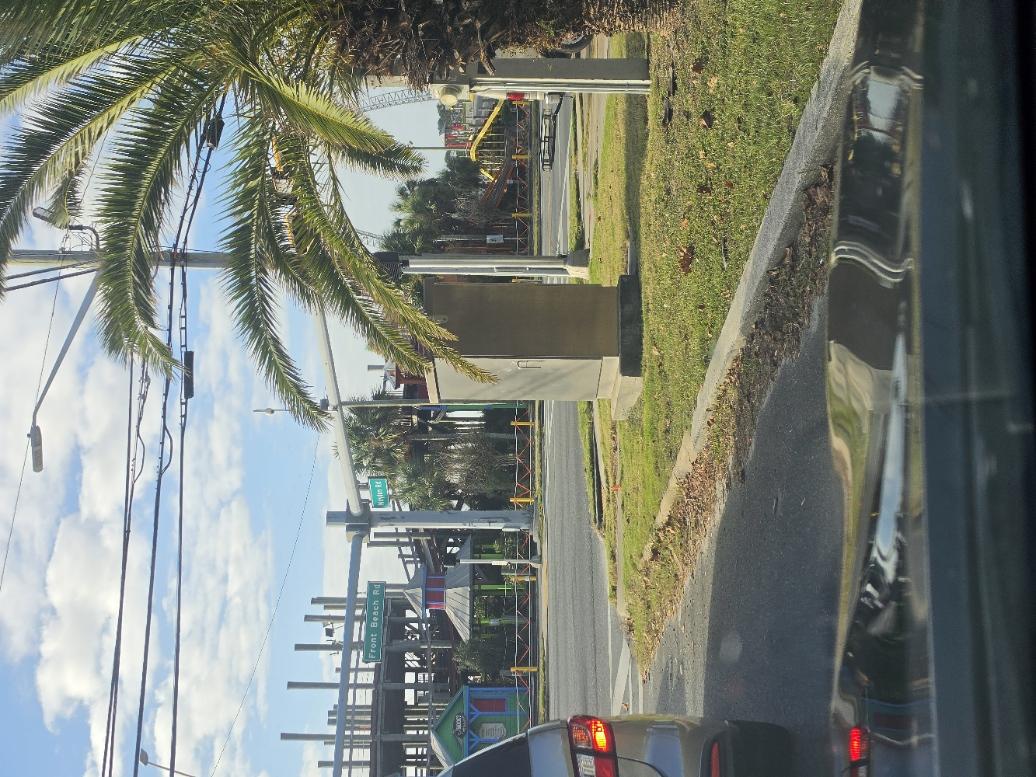
For about five days, the beach belongs to the bikes. Frank Brown Park is the main venue, with vendors, bike shows, and live music on the main stage. Harley-Davidson of Panama City Beach turns its lot into a rally headquarters with a big tent full of bikes for sale, a vendor village, and a steady crowd. In between, Front Beach Road and Panama City Beach Parkway (Highway 98) are wall-to-wall motorcycles. Drive down either one during rally week and you hear the rally before you see it.
I live and work here. I enjoy seeing the town packed out and all the unique motorcycles that roll through, and I want riders to keep coming back.
Why are there so many crashes during the rally?
Put tens of thousands of extra motorcycles on the same roads for a week, and some of them are going to get hit. A few things stack up during rally weeks:
- The sheer numbers. Panama City Beach is already busy. Rally week adds a wave of riders on top of normal tourist and local traffic, much of it moving between the same handful of venues.
- Riders who do not know the roads. Many visitors are riding Highway 98 and Front Beach Road for the first time, looking for a turn, a parking lot, or a venue entrance while traffic moves around them.
- Drivers who are not looking for bikes. The classic motorcycle crash is a car turning left across a rider’s path because the driver never saw the bike. More bikes on the road means more chances for that.
- Drinking. Most people at the rally drink responsibly. Some do not, on two wheels and four, and a rally with bars as venues gives them plenty of opportunity.
Panama City Beach Parkway between Harley-Davidson PCB and Frank Brown Park is a good example: both venues sit on that road, so a lot of rally traffic is pulling in and out of the same stretch all week.
How serious are motorcycle rally injuries?
Often very serious. I have represented a number of riders hurt during the rally over the years, and these are not soft-tissue cases. A rider has no doors, no airbags, and no seat belt. When a car hits a motorcycle, the rider absorbs the crash, and the injuries I see tend to be broken bones, road rash, surgeries, and long recoveries.
That severity changes how the whole case has to be handled, which is the reason for the next two sections.
Who pays my medical bills if PIP usually does not cover riders?
Usually not PIP. Florida’s personal injury protection generally covers people in cars, not riders on motorcycles, which I explained in my Bike Week no-fault post. In the meantime, your health insurance and any MedPay on your bike policy pay the bills. In the end, the money has to come from the people responsible for the crash.
Why does finding every insurance policy matter so much?
Because the at-fault driver’s policy is often not enough. Florida does not even require drivers to carry bodily injury coverage, and plenty of drivers who do carry it buy the minimum. When the injuries are severe, one small policy can be used up quickly.
That is why I search far and wide for coverage in every serious motorcycle case. The answer is not always on the crash report. Depending on the facts, money can come from:
- The at-fault driver’s bodily injury coverage, if they have it.
- The owner of the vehicle, if someone else was driving it.
- The driver’s employer, if they were working at the time.
- Uninsured motorist coverage on your own motorcycle policy, and sometimes on other policies in your household.
- Your home-state policies, if you are visiting from out of state.
I walked through how that search works, and how I have found coverage other firms missed, in what happens when the other driver has no insurance.
Why does the timing of a settlement matter?
Because of liens. When your health insurance pays for treatment after a crash, it usually has a right to be paid back out of your settlement. That claim is called a lien, and it grows with every bill the insurer pays. In a serious motorcycle case, the bills pile up fast, and the lien can eat into what you actually take home.
This is where experience with timing matters. In some cases, I have been able to settle right before a client’s surgery, or at least before the health insurer received the surgery bill, and then move quickly to get a final lien amount. That way, the lien reflects what had been paid up to that point, not the surgery on top of it, and the final lien comes in much lower than it otherwise would have. The surgery still counts in the claim, because future medical care is part of what the at-fault driver owes you.
It does not work in every case, and it depends on the facts and the insurance involved. But it is the kind of thing a lawyer has to be watching for from the start, because by the time the surgery bill posts, the chance is gone. I wrote more about using health insurance after a crash and about deciding whether to accept a settlement offer.
What should I do if I was hurt at the rally?
- Get checked out right away, even if you are riding on adrenaline. Gaps in treatment are the first thing an adjuster points to.
- Get the crash report from Panama City Beach Police, the Bay County Sheriff’s Office, or the Florida Highway Patrol. Here is how to get a copy.
- Do not give a recorded statement to the other driver’s insurance company before you talk to a lawyer.
- Do not let going home stop you. If you live out of state, your Florida claim can be handled from here while you recover there. For most negligence claims, Florida gives you two years to file suit, but evidence disappears much faster than that.
Do I really need a lawyer for a motorcycle crash?
For a serious rally crash, yes. If you walked away with scrapes and a bent fender, you may be able to deal with the property damage yourself. But once there are fractures, surgery, or months of treatment, the coverage search and the lien timing are where the money is made or lost, and an insurance company is not going to point out either one for you. Riders also face a bias that car occupants do not, which I covered in why motorcycle cases need a lawyer who handles them.
Key takeaways
- Thunder Beach brings tens of thousands of riders to Panama City Beach twice a year, and more bikes on the road means more crashes.
- Florida PIP generally does not cover motorcycle riders, so the at-fault side has to pay.
- One policy is often not enough for serious rally injuries; the search for every available policy matters.
- Settlement timing can shrink your health insurance lien, sometimes by settling before a surgery bill posts.
- Out-of-state riders can handle a Florida claim from home.
If you were hurt at Thunder Beach or anywhere else in Panama City Beach, call me, Phillip Stamman, at (850) 842-5449, or contact me here for a free consultation. You can also read more about how I handle motorcycle accident cases in Panama City Beach.
This post is general information about Florida law, not legal advice, and reading it does not create an attorney-client relationship. Every case turns on its own facts. Talk to a lawyer about yours before you rely on anything here.
Ride safe out there,
Phillip Stamman
Solo Personal Injury Lawyer
Panama City Beach, Florida